Classic

Alta Via 1

Alta Via 1 hut-to-hut: 120 km from Lago di Braies to Belluno in 9–11 days. Itinerary, rifugi, elevation, season and a free planner.

Open in planner
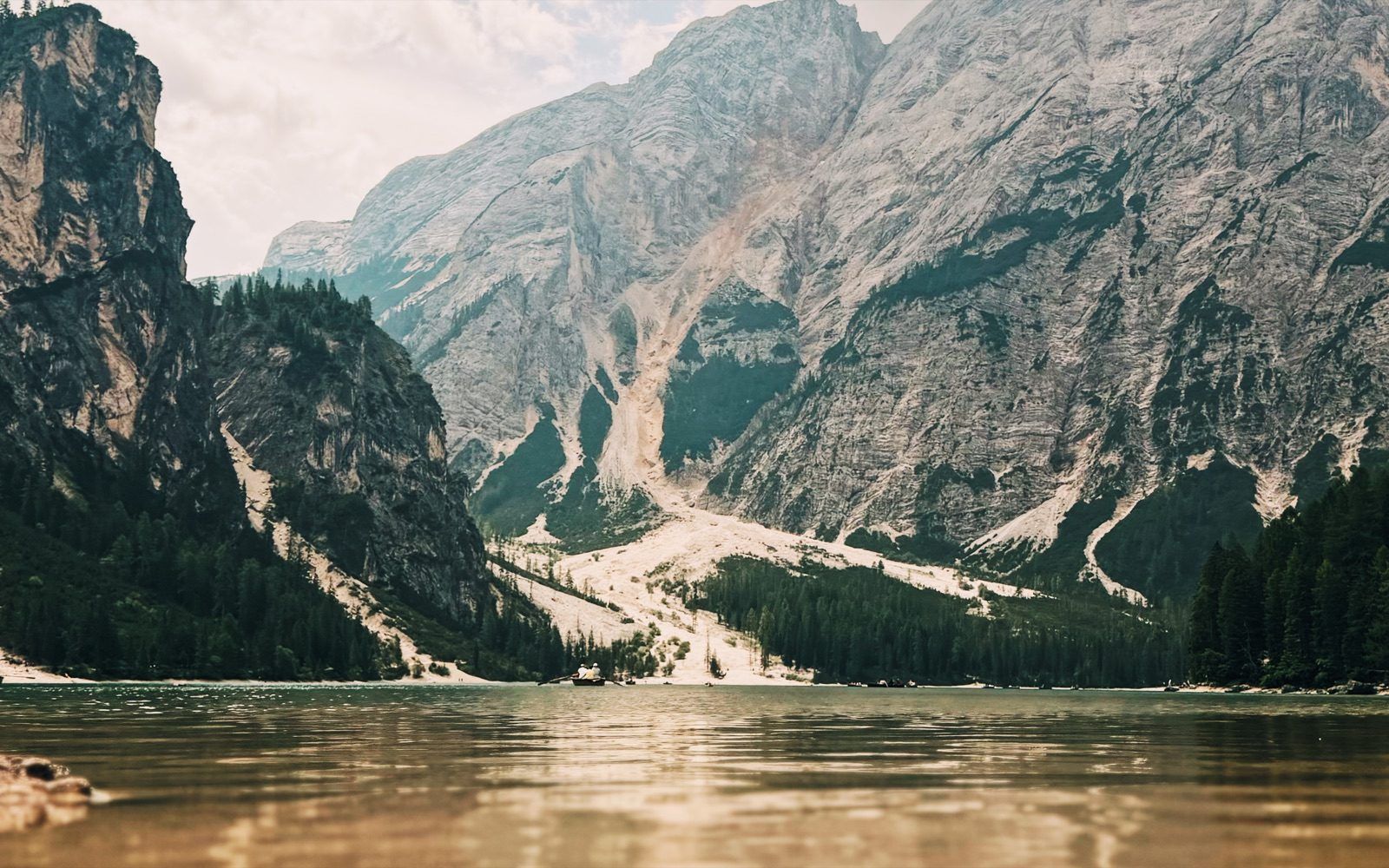
Lago di Braies, the northern trailhead of Alta Via 1
Photo: Dolomites Planner · © 2026 · Lago di Braies, where Alta Via 1 begins
Distance
120 km
Days
9–11
Ascent
7,880 m
Max altitude
2,752 m

Alta Via 1 is the most walked of the Dolomites high routes. It runs roughly north-to-south from the turquoise Lago di Braies down to the Schiara above Belluno, linking some of the range's most photographed cirques: Croda da Lago, Tofane, Civetta, Moiazza, and the Pelmo's north wall.

It is technically the easiest of the Alte Vie (no via ferrata is mandatory) but the daily ascents are real (often 800–1200 m) and weather flips fast above 2,000 m. Most walkers spend 9 to 11 nights in rifugi between Braies and Belluno.
Highlights

  • Lago di Braies sunrise from the trailhead
  • Croda da Lago and the Lastoi de Formin amphitheatre
  • Tofane group seen from Rifugio Lagazuoi
  • Civetta's 1,200 m north-west wall above Rifugio Coldai
  • Moiazza ridge and the Van delle Sasse
  • Schiara group descent to Belluno

Day-by-day itinerary

  1. Day 1: Lago di Braies → Rifugio Biella

    3–4 h
    6.5 km980 m80 m

    Steep, sustained climb out of the lake basin to a high karst plateau.

  2. Day 2: Rifugio Biella → Rifugio Fanes

    5–6 h
    14 km350 m700 m

    Long contouring day through the Sennes-Fanes pastures.

  3. Day 3: Rifugio Fanes → Rifugio Lagazuoi

    6–7 h
    14 km950 m350 m

    Via Rifugio Scotoni to Passo Falzarego (the routed default); confident hikers can take the more spectacular Forcella del Lago variant. Finish on the Lagazuoi cable-car ridge.

  4. Same huts, your days: open this route in the planner and tune the pace.Open in planner
  5. Day 4: Rifugio Lagazuoi → Rifugio Nuvolau

    4–5 h
    9 km600 m800 m

    Galleria del Lagazuoi WW1 tunnel (head-torch needed), then the Cinque Torri.

  6. Day 5: Rifugio Nuvolau → Rifugio Città di Fiume

    5–6 h
    13 km500 m950 m

    Around the Croda da Lago, one of the best ridge walks of the trek.

  7. Day 6: Rifugio Città di Fiume → Rifugio Coldai

    6–7 h
    13 km1050 m700 m

    Forcella Forada under the Pelmo, then the long traverse to Coldai.

  8. Day 7: Rifugio Coldai → Rifugio Vazzoler

    5–6 h
    13 km350 m950 m

    Lago Coldai then the spectacular Civetta wall traverse.

  9. Day 8: Rifugio Vazzoler → Rifugio Carestiato

    4–5 h
    11 km700 m650 m

    Forcella del Camp under the Moiazza.

  10. Day 9: Rifugio Carestiato → Rifugio Pramperet

    7–8 h
    16 km1100 m1000 m

    Longest day: Passo Duran detour or shuttle, then up to the Pramperet basin.

  11. Day 10: Rifugio Pramperet → Rifugio Pian de Fontana

    4–5 h
    9 km600 m850 m

    Forcella de Zita Sud, the exposed traverse of the trek.

  12. Day 11: Rifugio Pian de Fontana → La Pissa / Belluno bus

    6–7 h
    12 km700 m1900 m

    Long descent through forest to the SS203 road and the Belluno bus.

More days than you have? There are 2-5 day loops in the same area.Find a shorter route

Walking this route in 2027?

Booking for next summer opens in winter. Leave your email and we will send the opening dates for this route's huts.

Rifugi on this route

  • Rifugio Biella
  • Rifugio Fanes
  • Rifugio Lagazuoi
  • Rifugio Nuvolau
  • Rifugio Città di Fiume
  • Rifugio Coldai
  • Rifugio Vazzoler
  • Rifugio Carestiato
  • Rifugio Pramperet
  • Rifugio Pian de Fontana

Logistics

Getting there
Fly into Venice (VCE) or Innsbruck (INN). From Venice take the train to Calalzo di Cadore, then the Cortina bus and the Braies shuttle in summer. From Innsbruck, train via Brennero to Dobbiaco, then the Pragser-Wildsee bus.
Getting back
From La Pissa, the SS203 bus runs to Belluno (≈45 min). Belluno has direct trains to Venice Mestre (≈2 h).
Permits
No permit required. Camping is forbidden inside the protected areas; overnight only in rifugi or bivouacs.
Booking
Book every rifugio for July and August as soon as the season opens (usually early March). June and September are easier but still fill on weekends. CAI half-board is the standard rate.

Season & difficulty

Best season
Mid-June to late September
Difficulty
Moderate
Start
Lago di Braies (BZ)
End
Belluno (BL)

What to pack

  • B-rated approach boots (no crampons needed)
  • 20–35 L pack (luggage transfer is not available)
  • Sleeping-bag liner (sacco lenzuolo), required in every CAI rifugio
  • Light waterproof jacket and trousers
  • Head-torch (Lagazuoi tunnel and any pre-dawn starts)
  • 1.5 L water capacity (refill at every rifugio)
  • Cash: most rifugi still take cards intermittently or not at all

FAQ

How hard is Alta Via 1?

Moderate. Daily ascents of 600–1100 m, no via ferrata required, but exposure on Forcella de Zita Sud (and on the Forcella del Lago variant, if you take it) needs steady footing. Anyone fit enough for a long week of UK hill walking can do AV1.

Do I need a guide?

No. AV1 is waymarked end-to-end (CAI sign #1) and the rifugi are spaced for self-guided walkers. A guide is only useful if you want to add via ferrata variants (e.g. Ivano Dibona, Cesco Tomaselli).

When does the season open?

Most rifugi open between 15 and 25 June and close around 20 September. Snow lingers on the high passes into early July in heavy winters; check Rifugio Coldai and Pramperet directly before booking June dates.

Can I do AV1 in fewer days?

Strong walkers combine days 1–2, 4–5, and 10–11 to finish in 7 nights. Anything shorter usually means skipping the Schiara finish and bussing from Passo Duran.

Can I do AV1 with a dog?

Most rifugi accept small dogs on lead with prior agreement, often in a dedicated room. Confirm at booking; a few rifugi (notably Lagazuoi) restrict pets in high season.

Is Alta Via 1 dangerous?

Not by Dolomites high-route standards, as long as you treat it like a real mountain route rather than a long walk. The standard AV1 has no mandatory via ferrata, but weather, wet scree, exposure on passes like Forcella de Zita Sud, and simple fatigue are enough to punish sloppy planning.

Can you hike Alta Via 1 solo?

Yes. Many people do, including many solo women, because the route is waymarked, rifugi-based, and busy enough that you are rarely isolated for long in peak season. Solo still means self-reliant: book huts carefully, start early, and do not push on just because other parties are moving.

Do you need via ferrata gear on Alta Via 1?

No for the standard route. A helmet and ferrata set only become relevant if you deliberately add optional variants or alternate finishes that leave the normal AV1 line.

How many days do you need for Alta Via 1?

Most walkers need 9–11 days. Strong hikers can compress it; many others are happier using the planner to build a shorter section rather than forcing the whole route into too few days.

Is 2–3 days enough for the Dolomites?

Yes for a short section hike or a valley-based highlights trip, no for the full AV1. If you only have a long weekend, build a partial route in the planner or use the 3-day itinerary guide instead of pretending you are doing the whole traverse.

Read next